Admin
Admin 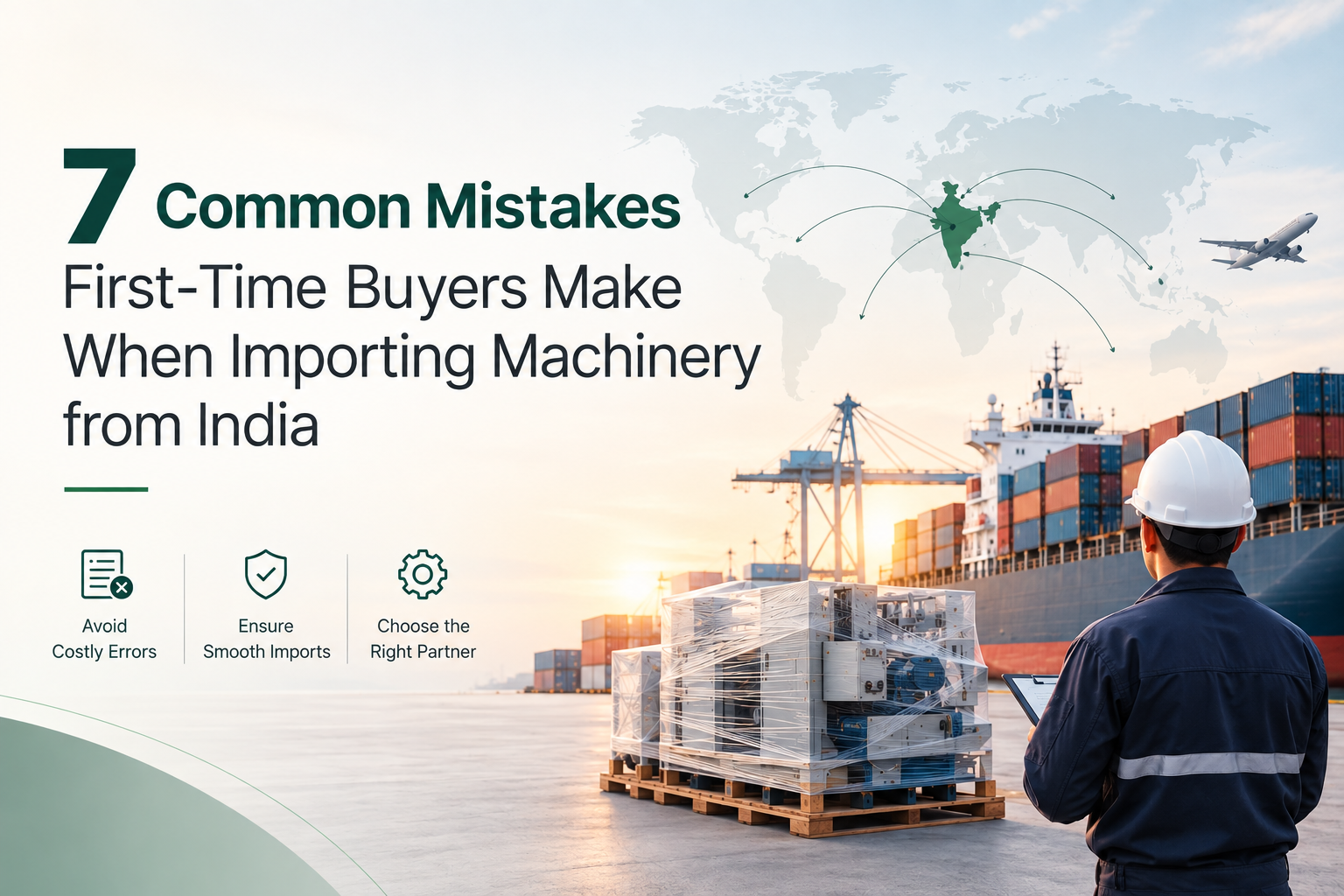
India has become one of the world’s leading sourcing hubs for industrial equipment, and every year more international buyers are importing machinery from India for their manufacturing operations. Whether you run a packaging unit in Africa, a factory in the Middle East, or a startup in Southeast Asia, sourcing equipment from an Indian supplier can give you strong build quality at a fraction of the cost you’d pay elsewhere. But first-time buyers often stumble because they don’t fully understand what to expect from a machinery manufacturer in India, and a handful of avoidable mistakes can cost months of downtime and thousands of dollars.
At Prosper Universal, the top paper cutlery machine manufacturer and pulp moulding machine exporter based in Rajkot, Gujarat, we have shipped equipment to clients in 35+ countries since 2007. Over the years, we’ve noticed the same seven mistakes come up again and again. This guide walks through each one, so your experience importing machinery from India goes smoothly from the first inquiry to final commissioning.
1. Not Verifying the Manufacturer’s Credentials Before Importing Machinery from India
Before you finalize a deal, confirm that the machinery manufacturer in India you’re working with has a verifiable export history, valid quality certifications, and real client references you can actually contact. Many first-time buyers importing machinery from India skip this step and rely only on product photos or a polished website.
Ask for the factory’s registration number, GST and IEC (Import Export Code) details, and export documentation from previous shipments. A genuine, established supplier will share this information without hesitation. A reputable pulp moulding machine exporter will also show you real installation videos and testimonials from clients in multiple countries, not just stock images.
2. Choosing the Lowest Price Over Long-Term Value
Price is usually the deciding factor for first-time buyers, but the cheapest quote often means thinner steel frames, older motors, or missing safety features that show up only after installation. A slightly higher upfront investment with an established paper cutlery machine manufacturer or pulp moulding machine exporter can save you far more in repairs, downtime, and lost production later on.
Compare quotes on a like-for-like basis: motor brand, automation level, warranty period, and after-sales terms – not just the sticker price.
3. Skipping a Factory Visit or Live Video Audit
One of the biggest risks with an overseas equipment purchase is relying on photographs alone. Machines can look identical online but differ enormously in build quality, welding standards, and component sourcing. Before committing to an order, ask your machinery manufacturer in India for a live video walkthrough of the production floor, or plan an in-person visit if the order size justifies it.
A short video call showing the machine running with real material is often enough to confirm whether a supplier is genuine – a habit worth keeping whether you’re evaluating a pulp moulding machine exporter or any other equipment supplier.
4. Not Clarifying Technical Specifications in Writing
Vague specifications are one of the most common causes of disputes between overseas buyers and Indian suppliers. Buyers often assume the paper cutlery machine manufacturer already understands their exact requirements – output speed, raw material type, mould size, and automation level – without putting any of it in writing.
Always request a detailed technical datasheet and a signed proforma invoice listing every specification before importing machinery from India. This single document protects both sides if there’s ever a disagreement after delivery.
5. Overlooking Import Duties, Freight, and Documentation
Many first-time buyers underestimate the true landed cost of importing machinery from India. Beyond the machine price, you need to budget for sea or air freight, customs duty in your own country, port handling charges, and inland transportation to your facility.
A trustworthy machinery manufacturer in India – including any established pulp moulding machine exporter – will help you prepare the commercial invoice, packing list, certificate of origin, and bill of lading correctly the first time, reducing the chance of customs delays.
6. Ignoring After-Sales Support and Spare Parts Availability
Machinery eventually needs maintenance, and this is where many buyers importing machinery from India get caught off guard. Before you sign the deal, ask exactly how spare parts are shipped, how quickly the manufacturer typically responds to service requests, and whether remote troubleshooting support is available in your time zone.
A dependable pulp moulding machine exporter should offer remote technical support, a documented spare parts catalog, and realistic shipping timelines for replacement components – not vague promises. The same standard applies to any serious paper cutlery machine manufacturer you’re considering.
7. Not Planning for Installation, Training, and Commissioning
The final and most overlooked mistake is assuming a machine will run perfectly the moment it arrives. Successful importing machinery from India includes a clear plan for installation support, whether that’s an engineer visiting your site or a structured remote commissioning process using video calls.
Ask your machinery manufacturer in India whether operator training is included, in what language it’s conducted, and get commissioning timelines confirmed in writing before making the final payment.
Frequently Asked Questions About Importing Machinery from India
Is it safe to import machinery from India as a first-time buyer?
Yes. Importing machinery from India is safe when you work with a verified machinery manufacturer in India, confirm certifications and export history, and get specifications, pricing, and after-sales terms confirmed in writing before payment.
How do I find a reliable paper cutlery machine manufacturer in India?
Look for a paper cutlery machine manufacturer with a physical factory you can visit or video-audit, a documented export history to multiple countries, and transparent registration details such as GST and IEC codes.
What documents are needed when importing machinery from India?
You’ll typically need a commercial invoice, packing list, certificate of origin, bill of lading, and any product certifications required by your country’s customs authority.
How long does shipping take when buying machinery from India?
Sea freight usually takes three to six weeks depending on your destination port, in addition to manufacturing lead time, which for a pulp moulding machine exporter typically ranges from thirty to sixty days.
What is the biggest risk when importing machinery from India?
The biggest risk is working with an unverified supplier and skipping a factory visit or video audit – most disputes trace back to unclear specifications or an unverified machinery manufacturer in India.
Final Thoughts
Importing machinery from India doesn’t have to be risky. By avoiding these seven mistakes – skipping verification, chasing the lowest price, avoiding factory visits, leaving specifications vague, underestimating logistics costs, overlooking after-sales support, and forgetting installation planning – you set yourself up for a smooth, profitable, long-term partnership.
As an experienced paper cutlery machine manufacturer and pulp moulding machine exporter, Prosper Universal Pvt. Ltd. has helped 550+ clients across 35+ countries import machinery from India with confidence. If you’re ready to work with a proven machinery manufacturer in India, contact Prosper Universal today for a consultation.